

Hi there, I am so glad you are here. It means a lot to be sharing this last episode of 2025 with you.
Let me introduce you to Lydia and Kevon Cheung 🥦 . Their energy, their relentless desire to turn ideas into experiments into products, together, is an inspiration.


Lydia’s a math & English tutor, Kevon’s worked at the crossroad of tech and education for years.
She’s the determined, achieving mother passionate about how to get students - including her own kids - cultivate interest in learning ; he’s the creative, tinkerer dad exploring how the latest tech tools can enhance learning possibilities, spicing up what school provides (or else lack of), now empowering 12-16 years old to get out there with their unique projects.
They are the parents of two daughters, 5 years old Avery and 3 years old Audrey.

I got carried away by their eagerness to play with technology, create new tools from scratch, test them for real with their daughters, and ultimately share them to the outside world. Check for yourself:
FunSheets, a worksheet generator to help kids learn maths, Chinese and English (best suited for Chinese speaking children)

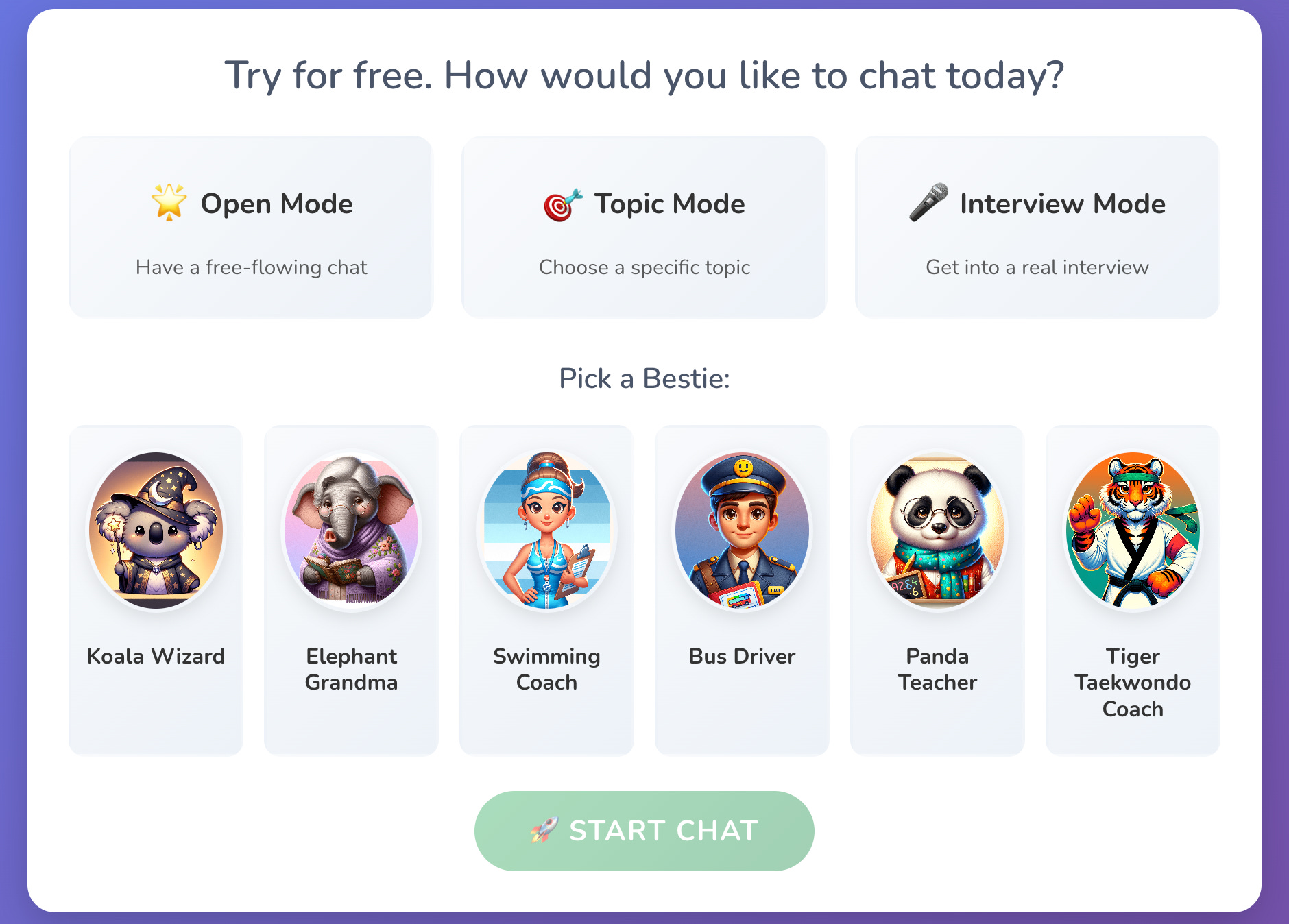
Chatty Bestie, to improve communication in English and get your kids ready for school interview questions (yes, that’s a thing!) or chat about a topic they love ; in a word: a tool where the parent acts as a facilitator, not a teacher
Lydia and Kevon are the living example of exploring what you enjoy - and vice versa - ; of building the missing piece, too.
Along the conversation, there were things that definitely surprised me, like crafting your five y/o’s resume and prep’ing her for an interview... A real thing in Hong Kong (and well in Paris too, friends told me)
Finally, I related a lot to their eagerness to meet with other parents. They will be gathering up to 6 families from various places in the world for a Summer Worldschooling: a full week of encounters, parent-led workshops and fun! If that sounds like your dream plan (2026: Thailand), and if your kids are between 3 and 6 y/o, reach out to them!
Listen to the episode here, or else on:
Spotify • Apple Podcast • Pocket Casts • Youtube
tl;dr
a discussion about
navigating between creative learning and the school system learning
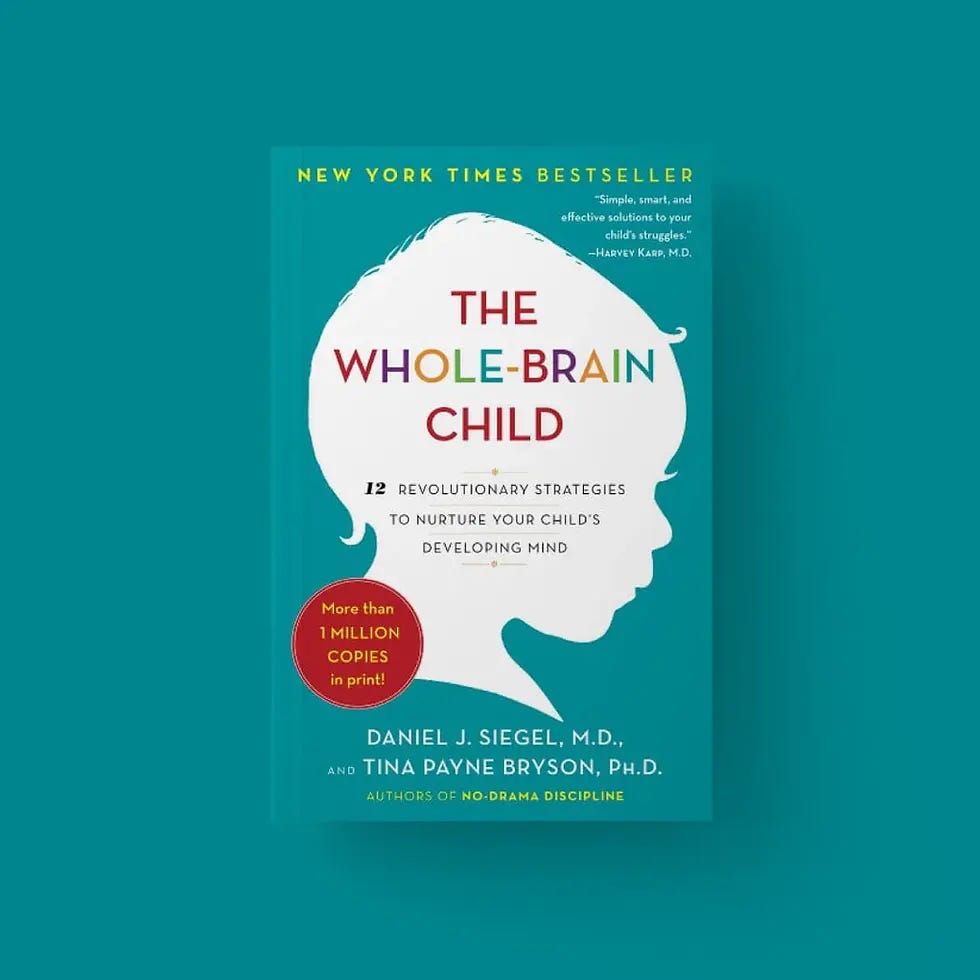
children meltdown and the Whole Brain Child
homeschooling vs “semi-homeschooling”, making time to bond with your kids
local vs international schools in Hong Kong, homework and the pressure to perform
knowing what you love and pursue it, teaching girls toughness
what makes a good partner and teammate : enforcing what you said, being on the same side, (then) talking, taking responsibilities over
Alpha School, reimagining the teacher’s role
AI x kids : carefully embracing AI to enhance learning
I would not expose kids under 10 years old to the AI superpower … cause they don’t have the right skills and judgment to know how to use it.(…) AI is a tool, but you need your craftsmanship, you need your expertise first. - Kevon
If kids don’t have the knowledge of those academic subjects yet, how do they judge whether the things that AI is giving them is correct? - Lydia
AI powering the experience, making recommendations: I am quite fine with this [Alpha school] - Kevon
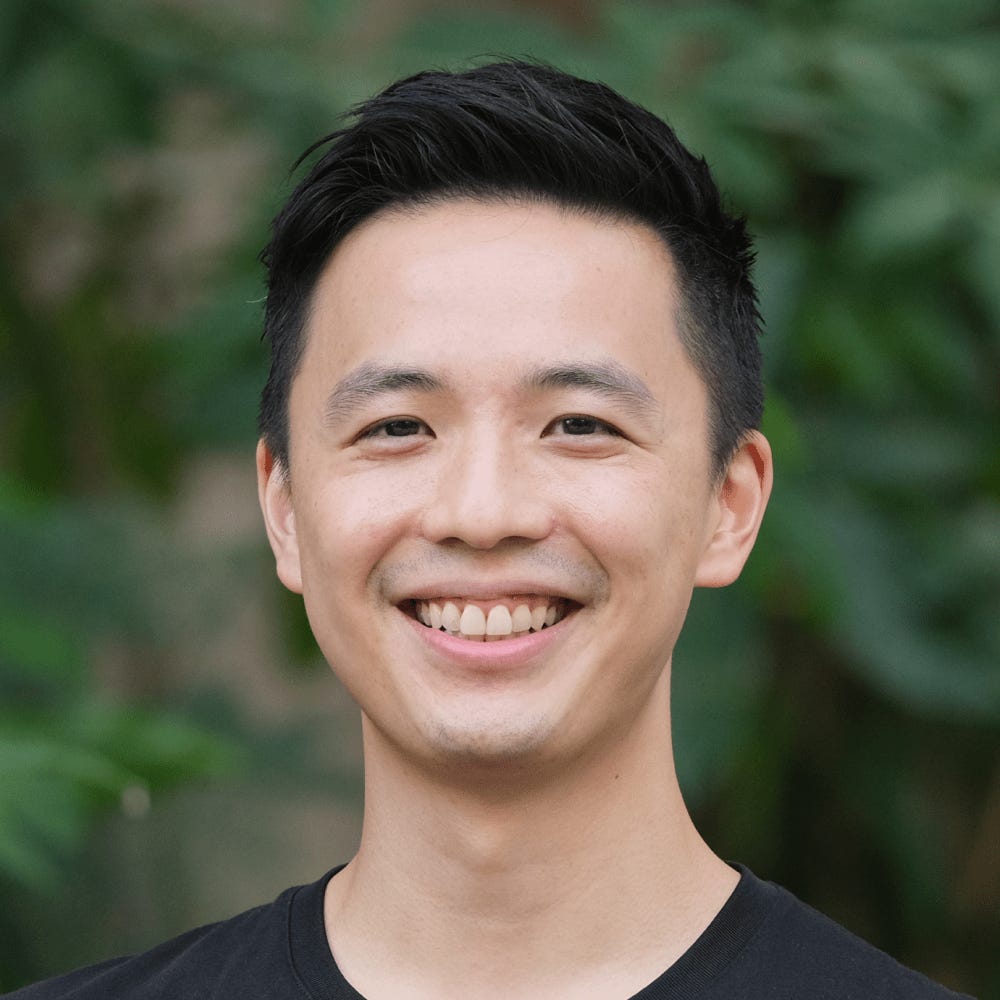
If you haven’t already, today’s the day to sign up to Kevon’s newsletter✨ :
more about my guests
words from them.
Lydia (Instagram)
Lydia is a proud mother of two girls. She likes to call herself a “part-time mum” because she cares deeply about balancing her family responsibilities and professional commitments. When she got married in 2019, she sought a more flexible career path and became a tutor of English and Maths for primary and secondary school students. She loves “play and learn” and makes that her unique tutoring style. She went on to write a unique children’s book, Quacky, that invites young readers to use stickers to personalize their story, becoming the co-author of their own adventure. At home, she works with Kevon to continuously experiment with ways to help our daughters become self-motivated, because that’s where the best learning truly sparks. In her free time, she enjoys a “me-time” yoga session, emerging recharged like a zen warrior ready for the next family quest.
Kevon (KevonCheung.com) | Instagram)
Kevon often jokes that Lydia was “the wife at first sight” love. He is an educator, builder, and a proud GirlDad. He has spent his whole career connecting the dots between technology and education. He started as a software engineer, then operated a kids’ coding school across Asia. During the pandemic, with all that unexpected time at home, Kevon started writing and sharing online. That’s when he taught and coached entrepreneurs on how to “build in public” and build a personal brand. With AI on the rise, he now spends most of his time coaching 12-16 year-old on building and launching creative projects, like books, websites, apps, and podcast series. He believes the best way for these kids to thrive in the future is to build, iterate, improve, and repeat like tiny inventors forging their own paths. His audacious goal is to help 500 curious kids unleash their proud creative projects into the world.
dig deeper
(after fact checking a couple things)
homeschooling in Hong Kong
While precise percentages aren’t available, homeschooling remains a very small minority in Hong Kong - likely representing less than 0.1% of school-age children. The practice operates in a legal gray area with minimal government support, though growing pandemic-era acceptance suggests numbers may be slowly increasing.
The lack of official statistics itself reflects Hong Kong’s ambiguous stance on homeschooling - neither fully prohibited nor officially recognized or supported.
Why Numbers Are Uncertain:
“Don’t ask, don’t tell” culture - Many families don’t report to authorities
No mandatory registration - Parents aren’t required to officially register as homeschoolers
Fear of scrutiny - Families avoid disclosure due to concerns about EDB visits
Misconception about legality - 50% of survey respondents incorrectly believe homeschooling is illegal
homeschooling in the US
~3.7 million homeschooled students (2024-2025). Approximately 6% of all K-12 students are homeschooled. Homeschooling is legal in all 50 states, but regulations vary significantly
30 states require annual reporting to authorities
21 states do not track homeschoolers
Regulations range from minimal oversight to detailed curriculum requirements
Homeschooling in the United States has evolved from a fringe alternative to an increasingly mainstream educational choice. The 6% rate represents approximately 3.7 million students and continues growing at triple the pre-pandemic rate. The movement is diverse, spans all demographics, and produces strong academic outcomes. Most significantly, recent data shows this is not temporary pandemic-related behavior but rather a fundamental shift in how American families approach education.
homework rules in France
For Elementary School (École Primaire):
According to the official French government position:
Teachers CAN give students homework to do at home
Teachers CANNOT give students written work to do outside of class
Allowed homework includes:
Oral work (reading aloud)
Lessons to learn/memorize
Research activities
Reading assignments
For Secondary School (Collège & Lycée):
Teachers CAN give written homework
Students are obligated to complete written and oral assignments given by teachers
In short
France has maintained an official ban on written homework for elementary school since 1956, repeatedly reaffirmed through 2013. However, this regulation exists in a gray area where:
The legal justification (in-school study time) no longer exists
All teachers give homework anyway
The distinction between “written work” and “lessons to learn” has never been clearly defined
Everyone (teachers, parents, inspectors) agrees some homework is necessary
The result is a system where teachers give homework but must navigate unclear rules, leading to calls for regulatory clarity that may come as soon as 2025.
things we discussed:
approaching music differently
how Alpha School works, by founder MacKenzie Price
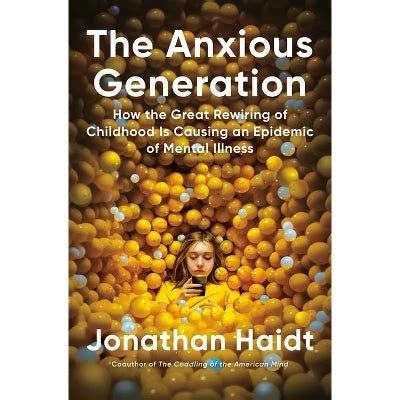
Brave New Words, How AI Will Revolutionize Education (and Why That’s a Good Thing), a book by Salman Khan, founder of Khanmigo and the Khan Academy
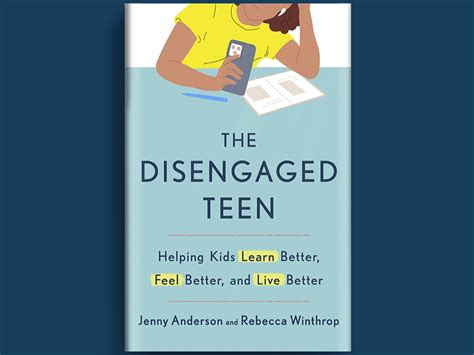
The Whole-Brain Child, a book by Daniel J. Siegel and Tina Payne Bryson
That’s all for today, dear parents 🫶
Enjoy the episode, and I wish you all joyful, peaceful holidays!
See you next year, rested and energised ✨
Yours,
Mathilde


